

I sometimes wonder whether there were large-scale moments before Covid that were design to experiment to how people would react to Covid. My own personal Conspiracy theory (hypothesis), here me out, is that the final season of Game of Thrones was a social engineering experiment.
I remember at the time, everyone I knew absolutely loved the last season of GOT.. It was obviously different, and done in a hurry, but everyone understood that it was better than nothing, it was better than the waiting for George R. Martin to finally finish it many years later. But it was still awesome anyways, I remember each episode we would be jumping out of our seats.. whether it was Hodor when he finally held the door, the battle at winter fell, Arya killing the Night King, the hound fighting his brother, Daenerys decided to torch King’s Landing, or when Jon killed Daeny.
A year later, the very same friends would all repeat what the media was saying is that the final season of GOT was an epic fail (just google last season of GOT and look at the articles which say as much). Same thing happened with the T.V. series Witcher, people went from loving it to suddenly absolutely hating it.
The entire experience felt like gaslighting, that people forgot their original experience and took on a narrative that aligned with what was being said in media. How social media like TikTok, or just regular news outlets can shape public opinion. Also, how media messaging impacts people through social pressure and how they publicly frame their opinions, including when it comes to simple things like a T.V. show or the coffee you drink.
As another example, everyone I knew loved Aaron Rodgers (I'm from Wisconsin) but only after two or three news cycles, most people here (left wing town Madison) will not even mention him (despite spending his career worshipping the guy) or talk about him unless as a vile example of a human being, and for what? Because someone broke PHI laws and outed him for not taking a vaccine?

Will European wheat have an effect on Bret Weinstein? This is Part II of his European experiment, the results.
Watch Part I: https://rumble.com/v6pns8o-is-bret-allergic-to-european-wheat.html?e9s=src_v1_ucp
Dr. Bret Weinstein is running an experiment on himself. After a decade of avoiding wheat he has tried eating it while in Spain. In this update video he explains how he has been feeling and answers common questions around glyphosate and dry fasting.
Watch more on the topic of glyphosate and dry fasting from Bret and Heather:
It’s not Complicated: The 230th Evolutionary Lens with Bret Weinstein and Heather Heying https://rumble.com/v52it2i-the-230th-evolutionary-lens-with-bret-weinstein-and-heather-heying.html?e9s=src_v1_ucp
Think Fast: The 252nd Evolutionary Lens with Bret Weinstein and Heather Heying https://rumble.com/v5rcks8-the-252nd-evolutionary-lens-with-bret-weinstein-and-heather-heying.html?e9s=src_v1_ucp
No live stream today, instead Bret is running an experiment from Spain.
Do you have a wheat allergy? Have you been able to eat wheat in Europe without the symptoms you experience in America? After a decade without intentionally eating wheat, Bret Weinstein is running an experiment while visiting Spain - will the European wheat cause the same symptoms he experiences when stateside?
Watch more on the topic of allergies and vaccines from Bret and Heather:
Mr. Jones and Me: Nathan Jones on DarkHorse
https://youtu.be/anC_au3HhdA?si=rNhk6_SUzF0lsgI1&t=1781
Bret and Heather 180th DarkHorse Podcast Livestream: Allergies, Adjuvants, & Affirmative Action https://www.youtube.com/watch?v=s5Ra_qW470w?si=G9BTq7Nv3WusHR2-&t=1968
Joe Rogan Experience #2198 - Bret Weinstein https://youtu.be/iOQdjgdRcfA?si=d-hVtgZ54MZ96Jdn&t=5664
Bret talks to Russell Brand in the wake of his Baptism.
Find Russell on X: @rustyrockets (https://x.com/rustyrockets)
Find Russell on Rumble: https://rumble.com/russellbrand
Moink: Delicious grass-fed and grass-finished beef and lamb, pastured pork and chicken, and wild caught Alaskan salmon. Visit www.moinkbox.com/darkhorse to get a year’s worth of bacon free when you sign up.
Question for next locals. Rough draft apologizes I must write this down before life distracts me.
Since my last question wasnt answered, ive had time to get to the meat of what I want to know.
Imagine you are traveling to an uncontacted tribe and you stumble across a book in their language in the middle of the forest. (Ignore the wonders of paper and ink and how they got it) you take the book back to camp and have it translated and its the book "crime and punishment." not literally as thats about europe but an exact equivalent in complexity and subject.
Presume that our "crime and punishment" didnt exist in this example and the forest book is the only example. Can you argue using the complexity of its composition, its themes, etc demonstrate that this book contains too much complexity for a stone age tribe to write on their own? How? Is there a field of science I havent found or can it not exist?
Dont we do something similar with evolution?
In their discussion, I wasn't convinced that Bret and Jeffrey nailed the full motivation for taking the Covid 19 shot (or any vaccine, for that matter).
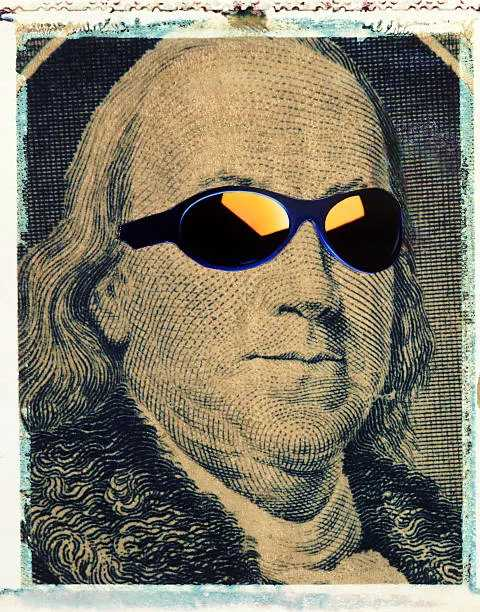
I propose a new lens - that an amped up version of the Ben Franklin effect is at play, where someone asks a favour of someone who dislikes/distrusts them. This manipulation results in post (and peri?) hoc dissonance and rationalisation which ultimately leads to a shift (from negative to positive) in regard for the person asking the favour. "I could only be granting this favour to someone I like, so this person must be likeable".
I think this goes some way to explaining the sickening 180 in so many attitudes towards Big Pharma (and those in authority) and the subsequent doubling down by those who'd taken the shot. If so, it might be relevant to all vaccines, and other 'favours' like signing up for military service.
Most research has focussed on fairly tame gestures like lending a book or some money. Is it possible that it is ...
@DarkhorsePod The whole vaccine story reminds me of the lack of fear people have when flying on an airplane. For example, if a 4-year-old child were to fly for the first time, that child might be nervous and excited, maybe a little scared, but ultimately calm and quiet.
If someone from 200 years ago experienced the same thing without context, they might have a heart attack and think they were about to die a horrible death. We take it for granted how normal it is to fly.
The difference isn’t the physic but the social context. The child isn’t afraid because everyone around him is calm. The adults act like everything is normal because they’ve read the statistics and they’ve flown dozens of times before. The child takes solace in their resolve.
Public trust works the same way. People feel calm when they believe a system has a long safety record and when the signals around them are consistent. When something new is introduced under the umbrella of that trusted system (e.g. vaccines), the ...